Role of Deck Cranes
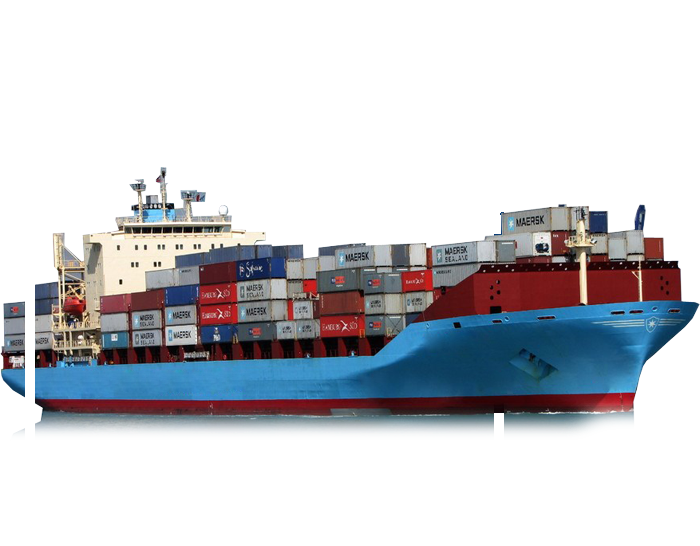
Deck Cranes, also referred to as ship cranes, are installed on bulk carriers, certain small-sized container ships, and general cargo vessels to facilitate cargo handling without relying on shore-based cranes. This highlights the importance of deck cranes in the commercial operations of seagoing vessels. They not only enable ships to take the initiative in cargo handling but also help reduce the costs of hiring shore cranes and labor. More importantly, in ports without shore-based cranes, ship cranes become the only available option.
For example, regarding the role of deck cranes: a chartered vessel without cranes, or one that does not use its own cranes, typically has a daily hire rate that is USD 1,000–2,000 lower than that of a vessel of the same size and type that uses its onboard cranes for cargo operations.
For the engine – electrical department, and even for the deck department, deck cranes are equipment that should be prioritized in maintenance, servicing, and troubleshooting plans. That is the theory — but in practice, it is often not the case. Most vessels tend to be complacent, and even the technical department ashore may share this attitude. In other words, there is often a lack of proper attention to ship crane issues. It is only when a breakdown occurs — disrupting cargo operations — that all parties suddenly “jump in” and push for urgent actions. However, in many cases, repairs cannot be carried out immediately due to severe damage that the crew cannot fix without assistance from shore-based facilities and spare parts. This often results in significant financial and time losses, with the vessel potentially going off-hire and incurring substantial additional costs — costs that insurance will almost certainly not cover.